
Top-Rated Products For Paver Repairs To Improve Curb Appeal
Select the most effective tools and materials to restore and enhance the appearance of your paver areas.
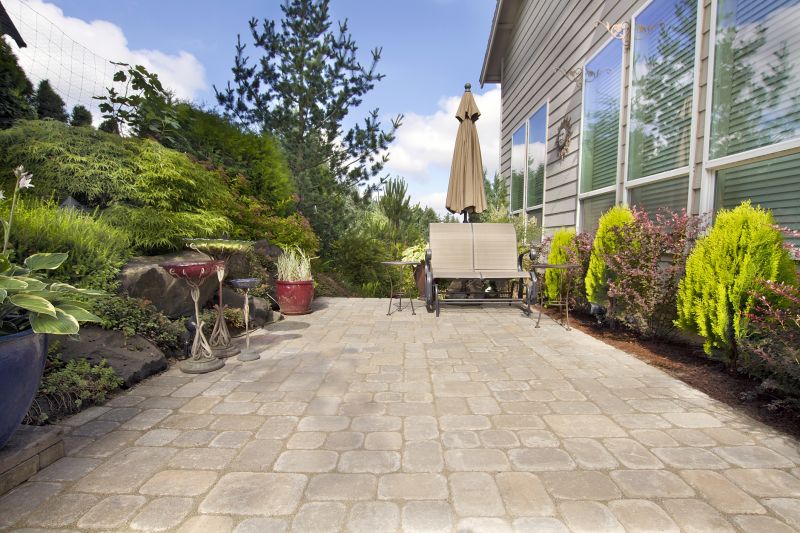 Paver repairs are essential for maintaining the safety, appearance, and functionality of paved surfaces in residential and commercial settings. Over time, pavers can shift, crack, or become uneven due to natural settling, heavy traffic, or weather conditions. Addressing these issues promptly can help prevent further damage and extend the lifespan of the paved area. Repair products range from simple fillers to comprehensive leveling systems, each designed to restore the integrity of your paver surface effectively. Selecting the right products depends on the extent of the damage, the type of pavers, and the desired finish.
Top Overall Option
Comprehensive Paver Repair Kit
A versatile repair kit that includes a selection of joint fillers, leveling compounds, and tools designed for various paver repair needs. It offers a comprehensive solution for both minor fixes and more extensive repairs, enabling users to address cracks, shifts, and surface unevenness with confidence. The kit's components are formulated to match common paver materials and provide durable results, making it suitable for DIY enthusiasts and professionals alike.
Types of Products For Paver Repairs
Joint Sand
Fine sand used to fill gaps between pavers, stabilizing the surface and preventing weed growth.
Polymeric Sand
Enhanced joint sand that hardens when wetted, providing increased stability and resistance to erosion.
Paver Sealant
Protective coatings that seal paver surfaces, helping to prevent staining and weather damage.
Concrete Patch
Ready-mixed compounds designed to fill cracks and chips in paver surfaces for a smooth finish.
Leveling Compound
Materials used to even out uneven paver surfaces, restoring proper slope and stability.
Base Stabilizer
Subsurface materials that reinforce the foundation beneath pavers, reducing shifting and settling.
Paver Cutting Tools
Tools such as wet saws and angle grinders used to cut pavers for fitting and repairs.
Edge Restraints
Plastic or concrete borders that secure pavers and prevent lateral movement.
Joint Re-sanding Tools
Tools designed to help reapply and compact joint sand after repairs.
Crack Filler
Specialized sealants formulated to fill and seal cracks in paver surfaces.
Paver Cleaning Solutions
Cleaning agents that remove stains, moss, and algae before repairs.
Paver Repair Adhesives
Adhesives used to bond pavers back together or secure loose pieces.
Re-leveling Rammers
Vibratory tools that compact base materials and pavers during repairs.
Drainage Products
Materials that improve water runoff and reduce pooling issues around pavers.
Paver Replacement Blocks
Individual pavers designed for replacing damaged or missing units.
Popular Choices
Widely used for filling joints, offering stability and resistance to washout.
Commonly applied to seal joints and prevent weed growth and erosion.
Popular for sealing small cracks and preventing water ingress.
Used to level pavers and fill voids beneath the surface.
Popular for reinforcing the foundation before laying or repairing pavers.
Effective for preparing surfaces prior to repair or sealing.
Suitable for filling larger cracks and chips with a durable finish.
Commonly used to secure the perimeter of paved areas.
Essential for customizing paver sizes during repairs.
Popular for reapplying sand after repairs for a clean finish.
Frequently chosen to protect paver surfaces after repairs.
Commonly used for replacing individual damaged pavers.
Easy-to-apply solutions for small cracks in paver surfaces.
Popular for compacting base layers during repairs.
Used to improve water flow and prevent pooling.
Frequently selected for bonding loose pavers securely.
When undertaking paver repairs, it is important to understand the different types of repair materials available. For minor cracks or small gaps, specialized joint fillers or sealants can provide a quick fix. For larger shifts or uneven surfaces, leveling compounds and base stabilizers are often necessary to create a stable foundation before replacing or repositioning pavers. Additionally, various tools such as paver cutters, joint sand, and compaction equipment are vital for ensuring a professional-looking repair.
Proper preparation is key to successful paver repairs. This involves removing debris, cleaning the affected area thoroughly, and assessing the underlying cause of the problem. Using high-quality repair products can help ensure a durable and long-lasting fix. It is also important to consider the color and texture of the repair materials to match your existing pavers, maintaining a cohesive appearance. Regular maintenance and timely repairs can help preserve the value and safety of your paved surfaces over time.
Key Buying Considerations
- Assess the extent of damage to determine whether a simple filler or a more comprehensive repair is needed.
- Match repair materials to the type and color of your existing pavers for a seamless appearance.
- Consider the durability and weather resistance of the repair products to ensure long-lasting results.
- Check compatibility of repair products with your paver surface, whether concrete, brick, or stone.
- Evaluate ease of application, especially if undertaking DIY repairs—some products require specialized tools or skills.
- Determine if the repair products are suitable for the size of the repair area, from small cracks to larger surface shifts.
- Review drying and curing times to plan your repair work effectively.
- Consider the environmental conditions where the pavers are installed, such as exposure to water or freeze-thaw cycles.
- Look for products that offer good adhesion and bonding to prevent future issues.
- Ensure that repair products are safe to use around plants, pets, and children if applicable.
- Factor in the overall cost and whether the product offers good value for the scope of your project.
- Read customer reviews and ratings to gauge real-world performance and satisfaction.
- Check for any additional tools or accessories needed to complete the repair process.
- Verify if the product comes with instructions or technical support for best results.
- Decide if you prefer a quick fix or a more thorough, long-term repair solution.
This page contains affiliate links. We may earn a commission if you make a purchase through these links, at no additional cost to you.