How Paver Driveways Handle Heavy Vehicle Traffic
People searching for paver driveway installation often want durable surfaces that can handle heavy vehicle traffic, and local contractors can provide expert solutions to ensure strength and longevity.
If you're considering a paver driveway and are concerned about how it will stand up to heavy vehicle traffic, you're in the right place. Property owners in the area often explore this topic to ensure their driveways can handle frequent use by trucks, RVs, or other large vehicles without compromising durability or appearance. Understanding how paver driveways respond to heavy loads can help homeowners make informed decisions about installation options and long-term performance, especially for properties with frequent or commercial vehicle activity.
Local contractors who specialize in paver driveway installation are well-equipped to address these practical concerns. They can provide insights into the design and material choices that improve load-bearing capacity, ensuring the driveway remains functional and attractive over time. Keep reading to learn more about how paver driveways handle heavy vehicle traffic and how experienced service providers can help create a resilient, lasting driveway tailored to specific needs.
- Paver driveway installation - homeowners considering heavy vehicle traffic often seek local pros experienced in designing durable surfaces that can withstand frequent vehicle loads.
- Heavy vehicle traffic considerations - local contractors assess the subgrade and select appropriate paver materials to ensure longevity under frequent use.
- Paver driveway reinforcement - property owners requiring support for heavy vehicles look for service providers skilled in installing proper base layers and edge restraints.
- Traffic-resistant paver installation - those with heavy vehicles in mind want local pros who can customize the paver pattern and thickness for maximum strength.
- Durability for heavy vehicles - clients needing paver driveways that handle heavy loads can rely on local service providers to implement proven installation techniques for long-lasting results.



When people search for how paver driveways handle heavy vehicle traffic, they are often trying to understand whether this type of paving material can withstand frequent or substantial loads without damage. Homeowners planning to park or operate large vehicles-such as RVs, trucks, or construction equipment-on their driveway want to ensure the surface will remain durable over time. This inquiry usually arises during renovation or new installation projects, especially when property owners anticipate regular use by heavy vehicles. Understanding the capabilities of paver driveways helps homeowners decide if this material is suitable for their specific needs and how it compares to other options like concrete or asphalt.
The concerns related to heavy vehicle traffic on paver driveways typically involve issues like cracking, shifting, or uneven surfaces caused by repeated or concentrated weight. Homeowners may also be exploring plans to reinforce the driveway’s structure to prevent early deterioration, or they might be considering additional features like thicker pavers or extra base layers. These projects often relate to properties with large garages, commercial properties, or rural homes where heavy vehicles are a regular part of daily use. Knowing how paver driveways handle heavy loads can influence decisions about installation methods, material choices, and ongoing maintenance strategies to ensure longevity and performance.
Properties that commonly come into focus when discussing heavy vehicle traffic include residential homes with large driveways, farmsteads, commercial parking lots, and industrial sites. These locations often require surfaces that can support substantial weight without compromising stability or appearance. The terrain and soil conditions also play a role, as some properties may need enhanced base layers or specific paver types to handle the pressure of heavy vehicles. When planning such projects, property owners often seek advice from local service providers who specialize in paver installation, as these professionals can recommend the right materials and techniques to ensure the driveway performs well under heavy loads.
Understanding how paver driveways handle heavy vehicle traffic helps homeowners connect the dots between their property’s needs and the expertise of local contractors. These service providers can assess the specific demands of a property, recommend suitable paving options, and implement solutions that maximize durability. Whether it’s reinforcing the base, choosing the right type of paver, or designing a layout that distributes weight effectively, local pros play a key role in ensuring a paver driveway can support heavy vehicles over time. This knowledge empowers homeowners to make informed decisions and find the right professional to handle their project with practical, tailored solutions.
Interlocking Paver Projects - These projects demonstrate how interlocking pavers are designed to withstand heavy vehicle traffic and distribute loads effectively, similar to paver driveway installations.
Driveway Resurfacing Services - Resurfacing existing driveways with durable materials involves planning and skills comparable to installing new paver driveways capable of handling heavy vehicles.
Patio and Walkway Paving - Installing patios and walkways with pavers requires understanding of load-bearing capacity, which is essential for ensuring paver driveways handle heavy vehicle traffic.
Retaining Wall Construction - Building retaining walls with pavers involves similar planning and structural considerations to support heavy loads on driveway surfaces.
Commercial Paving Projects - Commercial paving work involves designing for high traffic volumes, providing insights applicable to paver driveways exposed to heavy vehicle use.
Heavy Duty Asphalt Paving - While different in material, heavy-duty asphalt paving shares comparable skills in creating surfaces that support heavy vehicles, relevant to paver driveway planning.

When evaluating service providers for paver driveway installation, it’s important to consider their experience with projects similar to yours, particularly those involving heavy vehicle traffic. Homeowners should inquire about the types of driveways the contractors have worked on and whether they have successfully handled the demands of vehicles like trucks, RVs, or commercial equipment. A contractor’s familiarity with the specific challenges of heavy loads can provide confidence that they understand how to design and install a paver driveway capable of enduring such stress over time.
Clear, written expectations are essential to ensure that both the homeowner and the contractor are aligned on the scope of work, materials, and performance standards. When exploring options, ask for detailed proposals that outline the project plan, materials used, and anticipated outcomes. This transparency helps prevent misunderstandings and provides a basis for evaluating whether the service provider’s approach aligns with the homeowner’s needs for durability and heavy vehicle handling. Reputable local contractors often provide comprehensive documentation that clarifies their methods and standards.
Good communication and reputable references are key indicators of a reliable service provider. Homeowners should seek out local pros who can provide references or examples of completed projects, especially those involving heavy traffic. Talking to previous clients or reviewing case studies can reveal how well a contractor manages expectations, handles unforeseen issues, and maintains clarity throughout the project. Effective communication ensures that questions are answered promptly and that the project progresses smoothly, ultimately leading to a driveway installation that meets the homeowner’s durability expectations for handling heavy vehicle traffic.
Property owners often search for how paver driveways handle heavy vehicle traffic when they are planning practical projects around their homes and businesses. Local pros provide Paver Driveway Installation services for everyday jobs and straightforward project options.
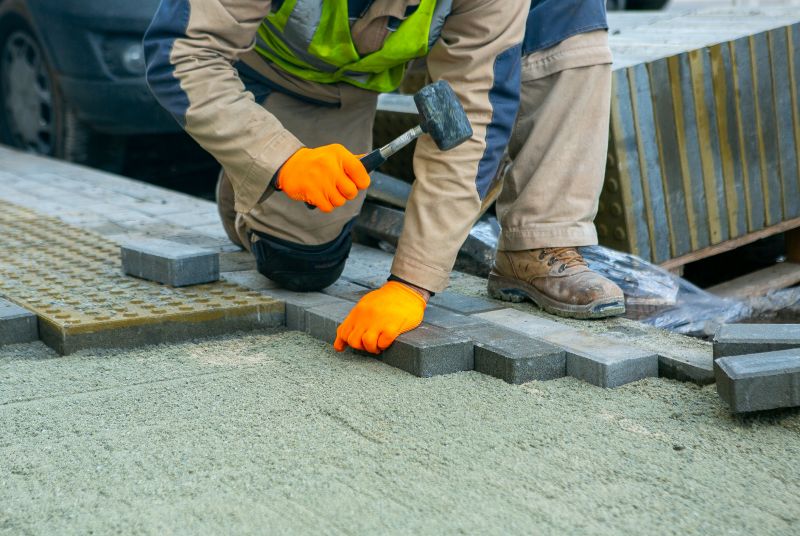
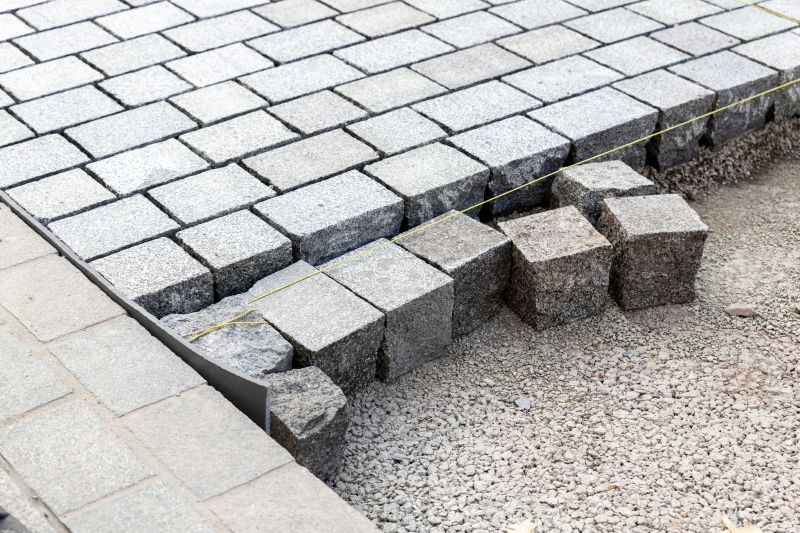
Paver driveways are often chosen by property owners who need a durable surface capable of handling regular heavy vehicle traffic, such as delivery trucks, RVs, or service vehicles. When considering how paver driveways handle this kind of use, many look into the strength and flexibility of the interlocking design, which helps distribute weight evenly across the surface. Local contractors experienced in paver installation can assess the specific needs of a property and recommend the right materials and installation techniques to ensure the driveway remains stable under frequent heavy loads.
For those concerned about the long-term performance of a paver driveway with heavy vehicles, it’s important to work with service providers who understand proper base preparation and joint filling. These factors contribute significantly to how well paver driveways can withstand consistent pressure without shifting or cracking. Property owners interested in a driveway that combines aesthetic appeal with practical strength often turn to local pros who specialize in paver installation, ensuring the driveway is built to handle everyday heavy vehicle traffic reliably.
Can paver driveways support heavy vehicle traffic without damage? Yes, when properly installed by experienced contractors, paver driveways can handle heavy vehicles such as trucks and RVs. Local service providers use durable materials and installation techniques to ensure the driveway withstands substantial weight.
What features make paver driveways suitable for heavy vehicle use? Features like a solid base layer, high-quality paver materials, and proper joint filling help distribute weight evenly, reducing the risk of cracking or shifting under heavy loads. Local pros can incorporate these features during installation.
Are there specific paver types recommended for heavy vehicle traffic? Yes, thicker and more robust paver options, such as concrete or natural stone pavers, are often recommended for heavy traffic areas. Local contractors can advise on the best materials for durability and load-bearing capacity.
How do installation methods affect a paver driveway’s ability to handle heavy vehicles? Proper installation techniques, including a well-compacted base and appropriate joint filling, are essential for supporting heavy loads. Skilled local pros ensure these methods are followed for maximum strength.
Can paver driveways be reinforced for extra heavy vehicle traffic? Yes, additional reinforcement options like thicker pavers or reinforced base layers can improve load capacity. Local service providers can assess the driveway’s needs and recommend suitable reinforcement solutions.
Reinforced Base Layers - Local contractors can install a sturdy base layer to support heavy vehicle traffic and prevent shifting or cracking over time.
High-Quality Paver Materials - Choosing durable paver materials ensures the driveway can withstand frequent heavy loads without damage.
Proper Jointing Techniques - Skilled installation includes effective jointing to help distribute weight evenly and reduce stress points.
Edge Restraints and Edging - Proper edging installed by local service providers helps contain pavers and maintain structural integrity under heavy use.
If you are thinking about how paver driveways handle heavy vehicle traffic for a property, this guide is meant to help you understand this topic, the typical project types, and how different options might fit your plans.
When you are ready, you can use the quote form on this page to share a few details about your project. From there, local pros can review the basics and follow up with options that match what you have in mind.